
Navigating Style, Performance & Your Home’s Character
For any London homeowner, few decisions impact your property’s character and comfort as profoundly as choosing your timber windows. The debate between casement and sash styles is a classic one, rooted in centuries of architectural history. This isn’t merely a choice of how a window opens; it’s about authenticity, thermal efficiency, and defining your home’s very soul.
Let’s demystify these two iconic styles to help you make the perfect choice for your London home.
Chapter 1: A Tale of Two Windows – Understanding the Core Differences
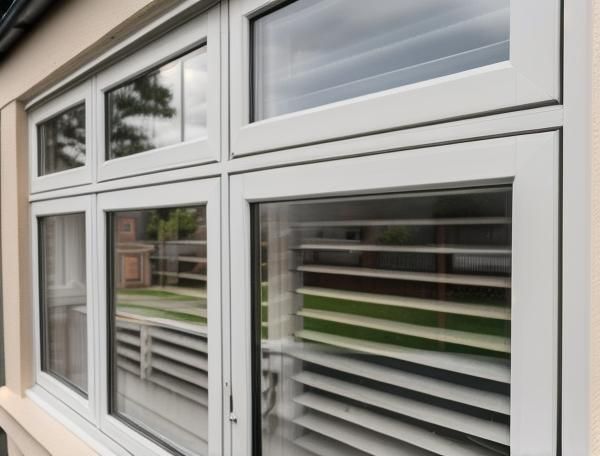
- The Casement Window: The quintessential “side-hung” window. Hinged at the side (like a door), it opens outwards with a single, lever-like action, operated by a handle. Its design is straightforward, offering a clean, unbroken view when closed and excellent seal when shut tight.
- The Sash Window (Box Sash): The defining feature of countless Georgian, Victorian, and Edwardian terraces. It comprises two sliding sashes that move vertically within the frame, traditionally counterbalanced by weights and pulleys hidden in the box frame. Its elegance lies in its proportions and its characteristic astragal bars.
Chapter 2: The Style & Authenticity Test – Which Suits Your Home?
This is where your home’s age and architecture should lead the conversation.
- For Period & Heritage Properties: The rule of thumb is simple: respect the original design. For most pre-20th century London homes, especially those in conservation areas, sash windows are almost always the historically correct choice. Their vertical proportion and grid-like glazing bars are integral to the façade’s rhythm and symmetry. A modern casement window on a Georgian terrace can significantly detract from its value and charm.
- For Modern & Contemporary Homes: Here, you have creative freedom. Casement windows offer a minimalist, sleek look with larger glass areas. However, a contemporary take on a sash window—with slimmer profiles and minimal glazing bars—can also provide a beautiful, nod-to-tradition aesthetic in a modern build.
Chapter 3: Performance & Practicalities – Beyond the Aesthetics
- Ventilation & Control: Sash windows excel here. The ability to open both the top and bottom sashes slightly allows for sophisticated “trickle ventilation”—warm air escapes from the top while cooler air enters from below, creating a comfortable draft-free airflow perfect for our climate.
- Weatherproofing & Energy Efficiency: Historically, sash windows were draughty. However, a modern, well-made timber sash, expertly draught-proofed and fitted with double glazing, can achieve outstanding thermal performance. Casement windows, by their pressing-against-the-seal nature, have a natural advantage in achieving an airtight seal when closed, but the gap between a quality sash and casement is now minimal.
- Ease of Use & Space: Casement windows are simple: a turn of the handle. But remember, they open outwards—consider external obstructions like pathways or climbing plants. Sash windows require a smooth sliding mechanism and stay within the building’s footprint.
Chapter 4: The Foundational Choice – Softwood vs. Hardwood
Your window’s longevity hinges on this decision, regardless of style.
- Softwood: Often European Redwood or Accoya (a modified sustainable softwood). An excellent, cost-effective choice. When dipped or vacuum-treated with preservative and finished with a high-quality microporous paint system, it offers exceptional durability and performance. Ideal for painted finishes.
- Hardwood: Such as Oak or Mahogany. Offers superior natural density and resistance to moisture. Can be stained or oiled to showcase its beautiful grain, developing a distinguished patina over time. Represents a premium, long-term investment, especially for exposed locations.
Chapter 5: The Non-Negotiables of Modern Craftsmanship
Whichever style you choose, insist on these modern upgrades:
- Double Glazing with Toughened Glass: For safety, security, and compliance with building regulations.
- Professional Draught Proofing: Integral to comfort and reducing energy bills.
- High-Quality Ironmongery: Period-style sash fittings or sleek contemporary handles—the hardware must be robust and complement the design.
- Made-to-Measure: Only bespoke, accurately measured windows guarantee a perfect fit, eliminating drafts and ensuring smooth operation.
Conclusion: A Question of Character
The choice between casement and sash is ultimately a question of your home’s character and your personal priorities. Let your property’s architecture be your primary guide. Then, partner with a skilled joiner who can execute either style with precision, using the finest materials and modern techniques to ensure your beautiful windows are also warm, quiet, and built to last a lifetime.
Still debating casement or sash for your London home? Our joiners offer expert, no-pressure advice tailored to your property’s period and your lifestyle. Book a survey today for a clear, honest recommendation and quotation. Contact us now!