
Preserving History, Enhancing Value, and Honouring Craftsmanship
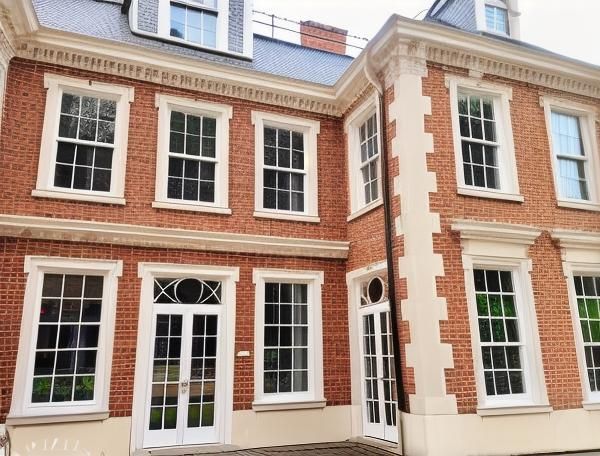
In the mosaic of London’s streets, it’s the original features—the graceful sash windows, the panelled front doors, the elegant arched casements—that tell the story of a home. These period timber elements are not just fixtures; they are assets. Preserving them through skilled restoration is an act of stewardship that protects architectural heritage, maintains property value, and is often more sustainable than replacement.
This guide is for the custodians of London’s period homes, outlining why and how to care for your timber windows and doors.
Part 1: The Compelling Case for Restoration
Why choose restoration over a brand-new unit?
- Preserves Architectural Integrity: Original windows and doors were made to specific proportions with materials and methods that defined an era. Replicating this character perfectly is incredibly difficult.
- Protects Your Investment: Original features are a key selling point. Well-maintained period windows and doors can significantly enhance the value and desirability of a period property.
- The Sustainability Choice: Restoration embodies the “make do and mend” ethos. It conserves the embodied energy in the original, often superior, old-growth timber and avoids sending historic fabric to landfill.
- Performance Potential: A professionally restored window, fitted with discrete draught seals and even discreet double glazing, can perform thermally and acoustically on par with a new unit, while retaining its soul.
Part 2: Recognising the Signs – When Does Your Timber Need Help?
Don’t wait for a crisis. Look for these indicators:
- Draughts & Rattling: A sign of worn seals, loose sashes, or distorted frames.
- Difficulty Opening/Closing: Sticking sashes or doors often indicate paint build-up, swelling, or broken sash cords/weights.
- Decay & Rot: Look for soft, crumbly timber, often in the bottom rails of sashes or the base of door frames—key areas for moisture ingress.
- Condensation Between Panes: In original single glazing, this indicates failed putty seals.
- Flaking Paint & Exposed Timber: The primary defence is compromised, leaving the wood vulnerable.
Part 3: The Restoration Process – A Master Craftsman’s Approach
True restoration is not a quick cosmetic fix. It is a meticulous process:
- Careful Removal & Assessment: Each unit is labelled, removed with care, and assessed piece by piece.
- Stripping & Repair: Paint is carefully stripped back. Rotten sections are spliced out and new timber scarfed in—a technique that preserves the majority of the original wood. This is the heart of true craftsmanship.
- Mechanical Overhaul: For sashes: new sash cords, pulleys, and weights are fitted. Ironmongery is repaired or replaced with period-appropriate fittings.
- Draught Proofing & Upgrades: Almost invisible draught seals are fitted into the meeting rails and sashes. Where appropriate and sensitive, slim double glazing units can be incorporated into the existing astragal bars.
- Glazing & Putty: Glass is re-bedded in traditional linseed oil putty for a lasting, flexible seal.
- Finishing: Multiple coats of high-quality, breathable primer and paint (or appropriate stain/oil for hardwood) are applied, ensuring protection for years to come.
- Expert Reinstallation: The unit is reinstalled, re-weighted, and adjusted to operate as smoothly as the day it was first made.
Part 4: Special Considerations for London’s Heritage
- Conservation Areas & Listed Buildings: If your home is listed or in a conservation area, you will likely need consent to alter windows and doors. A professional restoration that repairs like-for-like is usually viewed favourably by conservation officers, whereas wholesale replacement may not be permitted.
- Dealing with Arched Features: Arched windows and doors require particular skill to restore, from replicating the curved glazing bars to repairing the complex joinery of the arch itself. This is specialist work.
Part 5: A Partnership in Preservation
Your role as a homeowner is crucial:
- Regular Maintenance: A simple, annual check—clearing debris from drainage tracks, checking for paint cracks, and oiling mechanisms—can prevent major issues.
- Choose the Right Craftsman: Seek out joiners who specialise in restoration, not just replacement. Look for evidence of spliced repairs and a portfolio of period work.
- Think Long-Term: View restoration as a long-term investment in your home’s history and your own comfort.
Conclusion: The Living History of Your Home
Your period timber windows and doors are the living, breathing interface between your home’s past and your present. Investing in their skilled restoration is a decision that honours the original builders, enhances your daily living experience, and safeguards a piece of London’s architectural story for the future.
Do your period windows and doors deserve a second century of life? Contact our specialist restoration team. We provide detailed surveys, sensitive advice, and craftsmanship that breathes new life into London’s historic timber, ensuring it endures with grace and efficiency.